

Traditional HR Models Struggle to Keep Pace with Aviation Industry Shifts in 2025
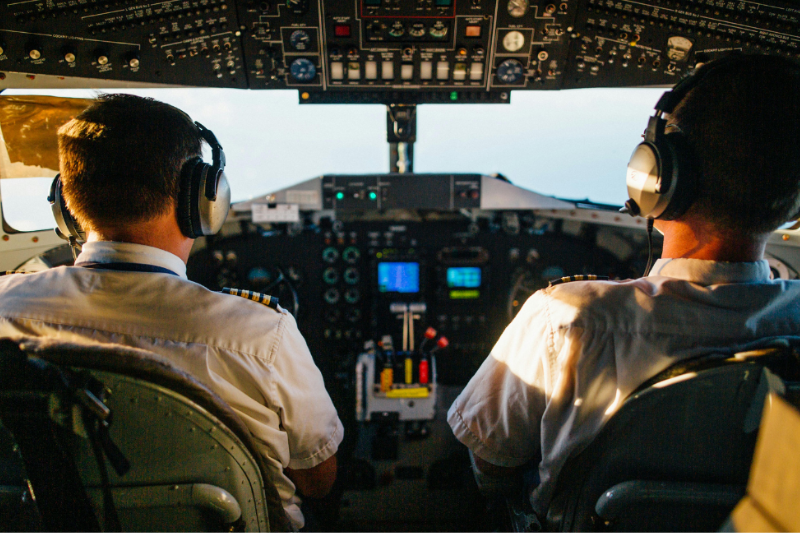
In 2025, traditional HR models in aviation are being replaced by more flexible, data-driven approaches.
Aviation moves fast, and our HR systems must match it. Flexible, data-driven people management is now essential to keep teams strong and operations reliable.”
KALKARA, SOUTH EAST, MALTA, December 15, 2025 /EINPresswire.com/ -- Aviation companies around the world are being forced to rethink how they manage their people. The systems and methods used to run human resources for decades are no longer keeping up with an industry that now changes faster than ever. As pilot shortages grow, costs rise, and safety rules become stricter, the old way of managing staff is starting to hold the sector back.— Giovanna Mirabile
Aviation is unlike most other industries. Flights run day and night across multiple time zones, and every role, from pilot to engineer to ground staff, must work in perfect sync. When one person is unavailable or one shift goes wrong, the effects can be felt across an entire network. Yet many HR systems in aviation were built for predictable office jobs, not for a 24-hour global operation.
This mismatch is becoming harder to ignore. The demand for skilled workers such as pilots, aircraft technicians, and air traffic controllers continues to rise, while the supply of qualified people remains tight. At the same time, younger workers entering aviation want more flexibility, fair scheduling, and chances to grow their careers. Traditional HR systems, often based on rigid processes, long approvals, and paper-heavy administration, cannot easily meet these expectations.
Experts say one of the biggest problems is that old HR models are too slow to react. Many companies still wait until someone leaves before starting to hire, even though training replacements can take months. In aviation, that delay can mean cancelled flights and higher costs. Another issue is that HR often works separately from operations, safety, or maintenance teams, even though all these areas depend on each other. When communication is limited, small staffing problems can quickly turn into major disruptions.
Many older HR approaches also assume people stay in one job for years. But in today’s industry, roles are shifting constantly. A pilot might move into training or safety work, and ground staff might take on digital or remote monitoring duties. Without flexible systems, companies struggle to support these changes. Traditional HR departments also tend to focus on static reports like headcount or turnover, when what’s really needed is the ability to predict problems, such as when fatigue levels rise or when certain skills will soon be in short supply.
Keeping these old systems in place can be costly. High turnover drives up training expenses, and lack of planning can lead to schedule gaps, delayed flights, and compliance risks. Beyond the financial impact, rigid HR practices can lower morale, as employees feel unheard or overworked. Over time, that affects productivity, safety, and overall reliability.
Across the industry, more aviation organisations are now modernising how they manage their people. The goal is to make HR faster, smarter, and more closely connected to daily operations. Some are using data tools to forecast workforce needs weeks or months ahead. Others are introducing flexible rosters, online learning, and career development programs to keep both new and experienced staff engaged. When HR teams work hand in hand with operations, problems can be spotted early before they affect flights or safety.
Early adopters of these new approaches are already seeing results. Predictive planning has helped reduce cancellations, improve staff scheduling, and cut unnecessary costs. Better communication between HR and operations has improved safety compliance, while ongoing training has kept teams confident and skilled as technology advances.
As aviation moves deeper into an age of automation, digital systems, and sustainability goals, the human side of the business remains its strongest asset. The companies that can balance technology with people-focused management will be best prepared for what comes next.
The message from industry observers is clear: traditional HR models no longer fit the pace and complexity of modern aviation. Organisations that modernise their people strategies, making them more flexible, data-led, and connected, will be the ones able to maintain safety, efficiency, and trust in an industry that never stands still.
Giovanna Mirabile
Aeroates Ltd
+356 2122 7333
email us here
Legal Disclaimer:
EIN Presswire provides this news content "as is" without warranty of any kind. We do not accept any responsibility or liability for the accuracy, content, images, videos, licenses, completeness, legality, or reliability of the information contained in this article. If you have any complaints or copyright issues related to this article, kindly contact the author above.
